 EN
EN
 fr
fr  de
de  es
es  it
it  ru
ru  pt
pt  ar
ar  vi
vi  ms
ms  id
id 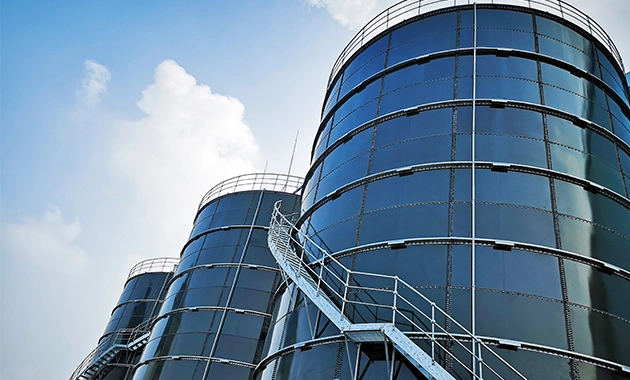


WhatsApp:
+86-17328067352

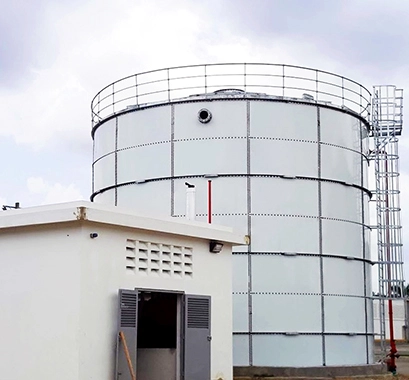
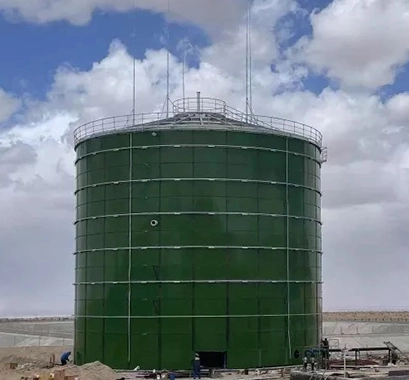
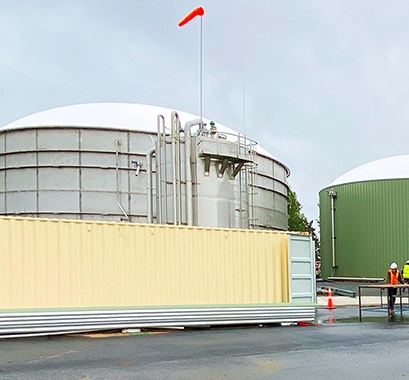
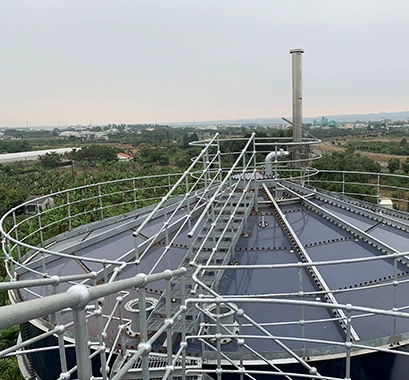
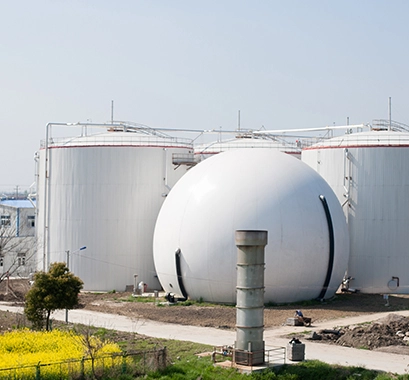
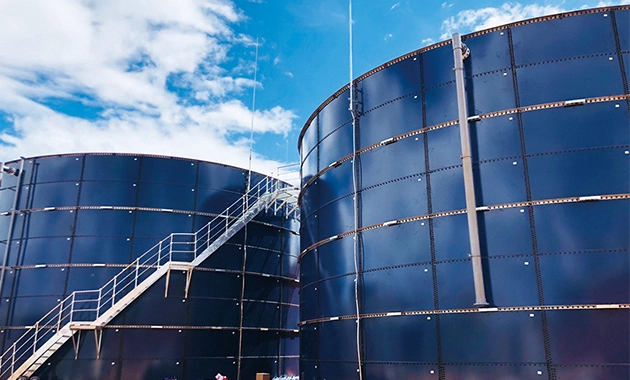
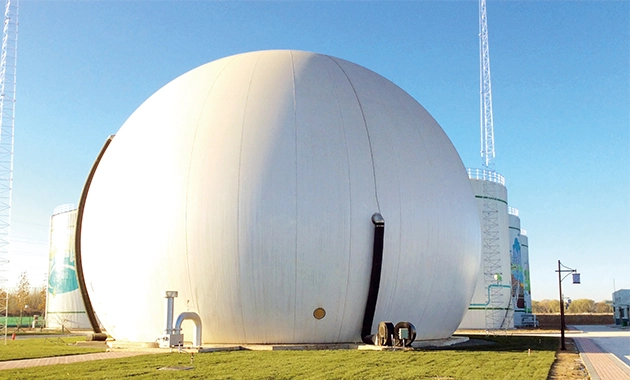
Selecting the right storage tank is an important decision for industrial and infrastructure projects where durability, installation efficiency, and long-term operating costs must be considered. Compared with traditional storage solutions, bolted steel tanks have gained popularity because of their modular structure, flexible installation methods, and easier transportation advantages.
Unlike conventional tanks that often require complex on-site fabrication, bolted tanks are assembled using prefabricated steel panels connected through bolts. This design allows faster construction, easier project expansion, and greater flexibility for different applications, including municipal water systems, fire protection, and industrial storage.
For companies evaluating different tank options, understanding the structure, installation benefits, and supplier selection factors of bolted tanks can help identify a more suitable storage solution.
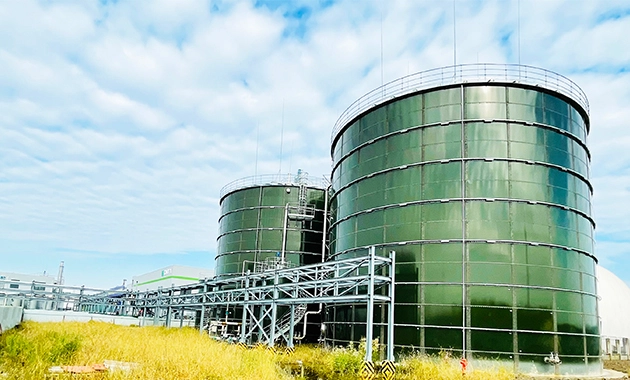
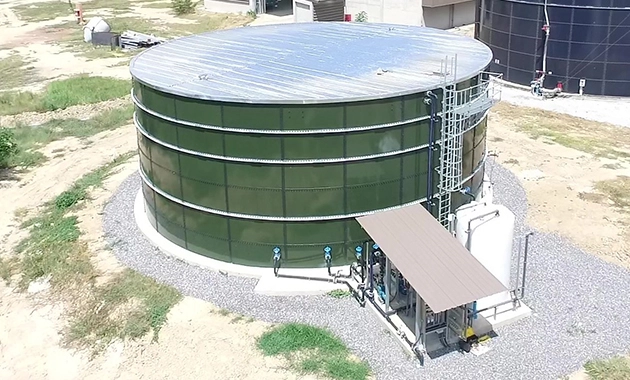
Bolted steel tanks are modular storage systems manufactured from prefabricated steel panels that are assembled and connected using high-strength bolts. Instead of relying mainly on on-site welding, these tanks are designed for efficient transportation and installation.
The modular structure provides several practical advantages. Individual panels can be manufactured under controlled conditions, transported to the project location, and assembled according to the required tank capacity. This approach reduces transportation challenges compared with large one-piece storage structures.
The connection method also allows greater flexibility during installation. Because components are assembled rather than permanently welded together, bolted tanks can be adapted for different project requirements, including capacity changes, relocation needs, and future expansion.
Depending on application requirements, bolted tanks can be designed with different steel materials and protective coating systems. For projects requiring higher corrosion resistance, stainless steel bolted tanks can also be considered.
The demand for efficient and adaptable storage solutions has increased the use of bolted water tanks in many industries. Their modular design makes them suitable for projects where installation speed, transportation efficiency, and long-term reliability are important considerations.
| Application | Typical Uses |
|---|---|
| Municipal water systems | Drinking water storage, emergency water reserves, water distribution support |
| Fire protection systems | Fire water storage for commercial and industrial facilities |
| Industrial storage | Process water, production water, and utility storage applications |
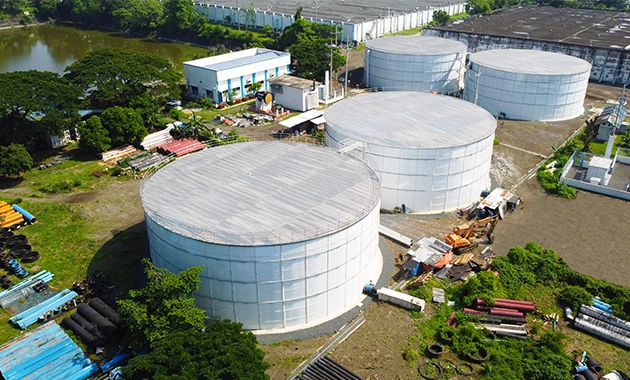
Municipal projects often require storage systems that can be installed efficiently while maintaining reliable water quality protection. Bolted water tanks provide a flexible option because their capacity can be adjusted according to project requirements.
In industrial environments, storage needs may change over time due to production expansion or facility upgrades. The modular nature of these tanks allows companies to plan future modifications more easily compared with some traditional storage structures.
Installation efficiency is one of the main reasons many projects choose bolted storage tanks. Compared with traditional construction methods, modular assembly can simplify logistics and reduce project complexity.
The main installation advantages include:
Because tank components are manufactured in advance, installation mainly involves panel assembly and connection work at the project site. This can shorten construction periods and reduce dependence on complex field operations.
Large welded tanks can create challenges during transportation because of their size and weight. Bolted tanks solve this issue through separated components that can be packed, shipped, and delivered more conveniently.
As storage requirements change, bolted tanks can provide greater adaptability. Additional panels or components can often be incorporated into the existing structure, allowing easier capacity adjustments.
These advantages make bolted tanks suitable for projects where construction flexibility and future adaptability are important.
When comparing storage solutions, buyers often evaluate bolted steel tanks and welded steel tanks based on installation methods, transportation requirements, and long-term flexibility.
| Feature | Bolted Steel Tanks | Welded Steel Tanks |
|---|---|---|
| Installation | Modular assembly | On-site welding |
| Transportation | Easier | More difficult |
| Expansion | Flexible | Limited |
| Construction time | Shorter | Longer |
Welded steel tanks can provide strong structural performance, especially for certain permanent installations. However, they usually require more complex transportation and on-site fabrication processes.
Bolted steel tanks offer advantages in projects where installation efficiency, modular design, and future expansion are priorities. For enhanced corrosion protection, glass fused bolted steel tanks combine modular construction with a durable glass coating system.
Choosing the right supplier is essential because tank quality depends on manufacturing processes, material selection, and technical support. A reliable bolted tank supplier should provide not only storage products but also solutions that match specific project requirements.
Before making a decision, buyers should consider several important factors:
Manufacturing experience: Experienced suppliers are more familiar with different application requirements and project conditions.
Coating technology: Proper coating systems help improve corrosion resistance and extend tank service life.
Project support: Technical guidance during design, installation, and maintenance can improve overall project performance.
YHR Tanks provides bolted tank solutions with controlled manufacturing processes, reliable structural design, and configurations developed for different water storage and industrial applications.
Although bolted tanks provide installation advantages, proper design remains essential for achieving long-term reliability. Several technical factors should be evaluated before installation.
The foundation design is one of the most important considerations because it supports the entire tank structure. A stable foundation helps maintain structural integrity and prevents operational issues caused by uneven loading.
The sealing system also plays an important role in preventing leakage. High-quality sealing materials and proper installation procedures help maintain tank performance during long-term operation.
Regular inspection and maintenance should also be included in the project plan. Checking connection points, coatings, and sealing components can help identify potential issues early and extend the service life of the storage system.
Yes. They can be designed for large-scale storage projects with appropriate structural planning.
They are transported as modular components, making logistics easier than large assembled tanks.
Some bolted tanks can be dismantled and reinstalled in another location depending on design conditions.
Materials vary according to project requirements, including different steel types and coating options.
Yes. Periodic inspection helps maintain sealing performance and structural reliability.
Installation time depends on tank capacity, site conditions, and project complexity.
With advantages such as modular construction, efficient transportation, and flexible expansion, bolted steel tanks provide a practical storage solution for modern industrial and infrastructure projects. By evaluating design requirements, application conditions, and supplier capabilities, buyers can select a tank system that delivers reliable performance and long-term value.