 EN
EN
 fr
fr  de
de  es
es  it
it  ru
ru  pt
pt  ar
ar  vi
vi  ms
ms  id
id 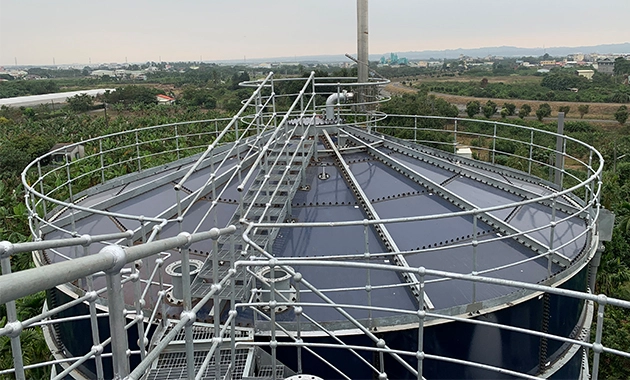


WhatsApp:
+86-17328067352

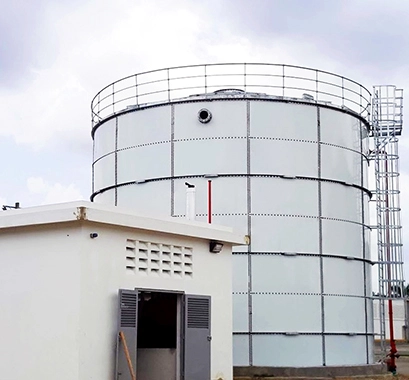
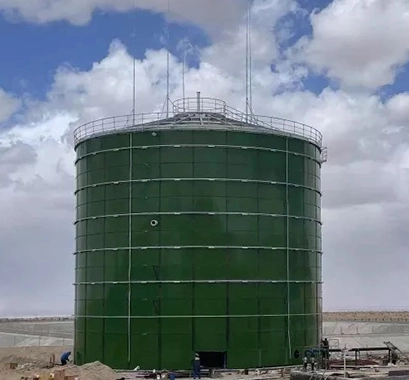
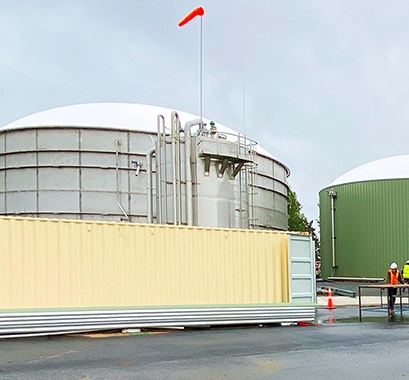
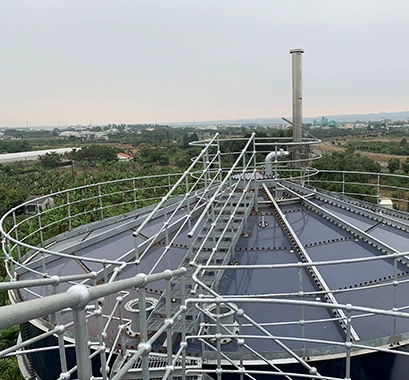
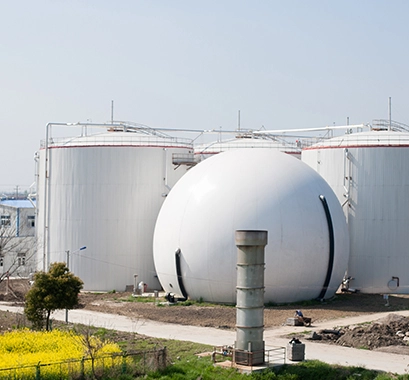
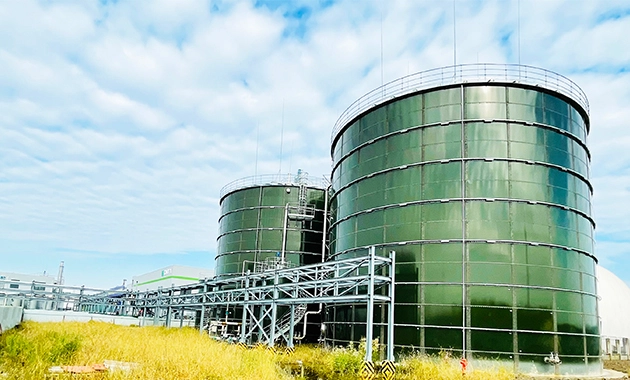
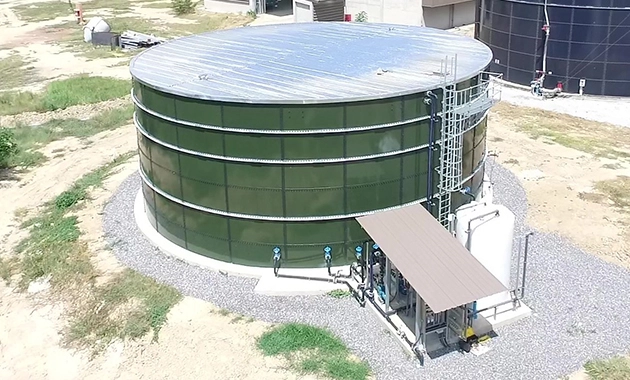
Selecting the right storage solution is critical for projects that require long-term durability, corrosion protection, and reliable operation. glass fused steel tanks have become a preferred option for drinking water storage, wastewater treatment, and industrial water applications because they combine the structural strength of steel with the protective performance of glass enamel technology.
Unlike traditional steel tanks that depend on paint or epoxy coatings, these tanks use a high-temperature fusion process to permanently bond a glass coating layer with a steel substrate. The result is a durable storage system with excellent resistance to moisture, chemicals, and environmental exposure while maintaining stable performance throughout its service life.
For engineers and project owners, understanding the structure, advantages, and selection factors of this tank technology helps ensure a more suitable solution for different water storage requirements.
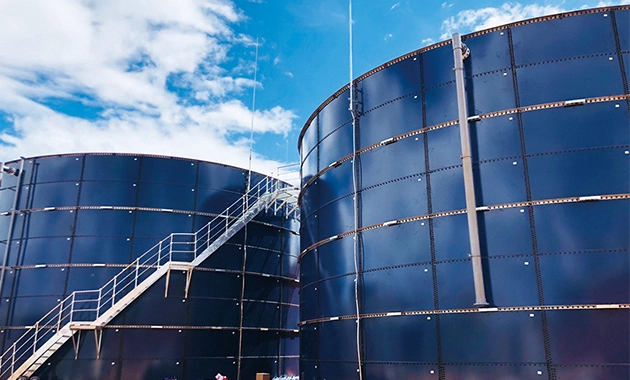
Glass fused to steel tanks are storage systems manufactured by combining steel panels with a specially formulated glass enamel coating. During production, the steel surface undergoes careful preparation to ensure strong adhesion between the metal substrate and glass layer. The coated panels are then heated at high temperatures, allowing the two materials to fuse into a durable composite structure.
This manufacturing process creates a tank that benefits from the characteristics of both materials. The steel substrate provides mechanical strength and structural stability, while the glass surface forms a smooth, non-porous barrier that protects against corrosion, chemical exposure, and moisture penetration.
Unlike conventional coating methods where protective layers may gradually deteriorate over time, the fused glass layer becomes an integrated part of the steel panel. This helps improve coating reliability and reduces the possibility of surface damage affecting the underlying structure.
The modular panel design also provides advantages during transportation and installation. Components can be shipped efficiently and assembled according to project capacity, site conditions, and future expansion requirements.
For water storage projects, corrosion resistance and service life directly influence maintenance costs and operational reliability. glass fused to steel water tanks are designed to provide long-term protection while reducing the need for frequent maintenance.
One of the primary benefits of this technology is its strong resistance to corrosion. The glass enamel surface separates the steel structure from stored materials, helping prevent rust caused by continuous contact with water, chemicals, or humid environments.
This makes the technology suitable for applications where conventional coating systems may experience faster deterioration, including wastewater treatment facilities and industrial storage projects.
The strong bond between glass and steel allows the tank surface to maintain stable performance over extended operating periods. The hard glass coating provides resistance against wear and chemical exposure, supporting reliable operation in demanding environments.
For infrastructure projects where replacement or major repairs can create significant costs, long service life becomes an important consideration during tank selection.
Maintenance efficiency is another advantage of this storage solution. The smooth internal surface reduces material buildup and makes routine inspection and cleaning easier.
Compared with some traditional coating systems that may require regular repair or recoating, glass fused technology can help reduce maintenance frequency and improve total lifecycle value.
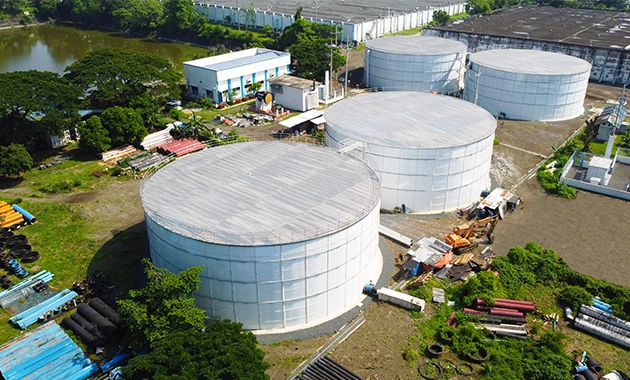
Due to their durability and flexible configuration, these tanks are widely used as reliable wastewater storage tanks and other liquid storage solutions across municipal, industrial, and environmental applications.
| Application | Typical Uses |
|---|---|
| Drinking water storage | Municipal water reserves, treated water storage, emergency water supplies |
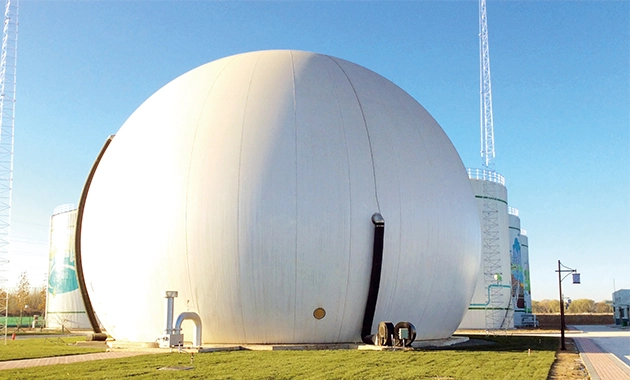
| Wastewater treatment | Sludge storage, anaerobic digestion, wastewater process systems |
| Industrial water systems | Process water storage, fire protection water, facility water management |
In drinking water applications, storage materials must maintain a clean and stable environment. The smooth glass surface helps support hygienic storage conditions while protecting the steel structure from corrosion.
For wastewater treatment projects, corrosion protection is especially important because tanks may be exposed to organic materials, chemicals, and continuous moisture. Industrial facilities also benefit from the adaptable design of glass fused to steel tanks, which can be configured according to different operating conditions.
When evaluating storage tank options, coating performance is one of the most important factors to consider. Although both glass fused technology and epoxy coatings provide corrosion protection, their long-term characteristics are different.
| Feature | Glass Fused to Steel Tanks | Epoxy Coated Tanks |
|---|---|---|
| Coating | Glass enamel layer | Epoxy coating |
| Corrosion resistance | Excellent | Good |
| Maintenance | Low | Medium |
| Service life | Long-term | Depends on coating condition |
| Surface durability | Hard and chemically stable | Depends on coating quality |
Epoxy coatings can provide effective protection in many applications, but their performance depends on coating thickness, surface preparation, and environmental conditions. If damage occurs, the exposed steel surface may become vulnerable to corrosion.
By comparison, the glass layer in glass fused steel tanks is permanently bonded to the steel substrate through the fusion process. This provides a more stable protective system for projects that prioritize durability and reduced maintenance requirements.
Selecting the correct tank requires more than simply calculating storage volume. Project conditions, installation requirements, and water characteristics should all be evaluated before choosing a final configuration.
Storage capacity should match current demand, peak usage periods, emergency requirements, and possible future expansion plans. A properly sized tank helps maintain operational efficiency while avoiding unnecessary investment.
The installation environment is another important consideration. Factors such as available space, foundation conditions, outdoor exposure, and local climate can influence tank design requirements.
Water quality requirements should also be reviewed carefully. Drinking water systems, wastewater facilities, and industrial applications may have different expectations regarding hygiene, chemical resistance, and coating performance.
The performance of a storage tank depends not only on material selection but also on manufacturing quality, engineering design, and supplier experience.
Before making a purchase decision, buyers should evaluate:
Glass coating quality: A uniform enamel layer helps provide consistent corrosion protection and long-term reliability.
Steel structure design: Strong panels and reliable connection systems contribute to overall tank stability.
Manufacturing standards: Strict quality control helps ensure consistent product performance.
YHR Tanks provides glass fused to steel tank solutions with controlled coating quality, reliable structure design, and configurations developed for water storage and environmental applications. By matching tank design with actual project conditions, customers can achieve stable and efficient storage performance.
Yes. They have good weather resistance and can be installed outdoors with proper engineering design.
The glass layer creates a protective barrier that helps prevent corrosion and protects the steel structure.
Yes. They are commonly used for drinking water storage when designed according to relevant requirements.
Material quality, coating performance, installation conditions, and maintenance practices all influence service life.
Yes. Their smooth surface helps simplify cleaning and reduce maintenance requirements.
Yes. Tank capacity and configuration can be adjusted according to project requirements.
With strong structural performance, corrosion-resistant protection, and flexible applications, glass fused steel tanks provide a reliable solution for modern water storage projects. By considering capacity, installation conditions, coating quality, and supplier expertise, project owners can select a storage system that delivers long-term value and dependable performance.