 EN
EN
 fr
fr  de
de  es
es  it
it  ru
ru  pt
pt  ar
ar  vi
vi  ms
ms  id
id 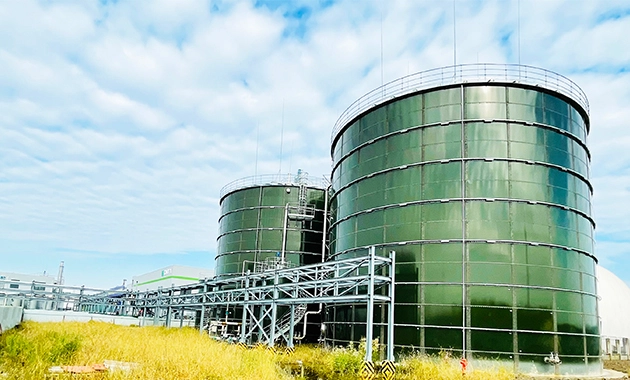


WhatsApp:
+86-17328067352

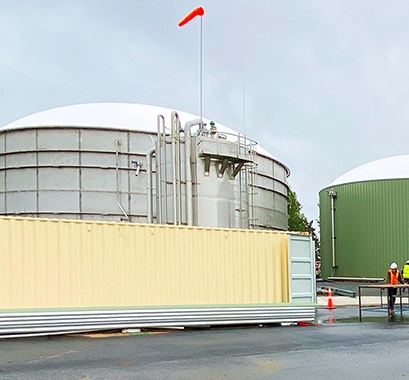
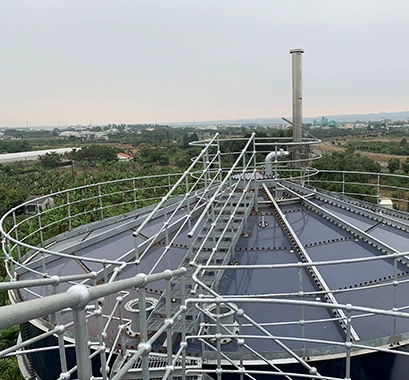
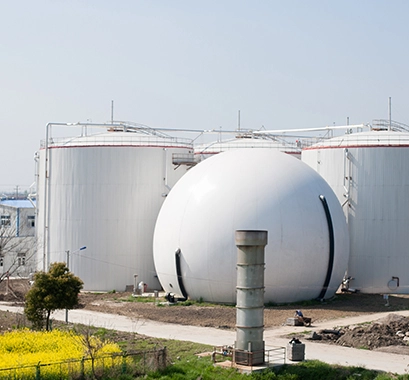
The transition toward renewable energy and sustainable waste management has increased the demand for efficient biogas production systems. In these projects, anaerobic digester tanks play a central role by providing a controlled environment where organic materials can be treated and converted into valuable energy resources.
By combining waste treatment with energy recovery, anaerobic digestion technology helps industries, farms, and environmental facilities reduce waste volume while producing biogas. Understanding the structure, application, and design factors of digester systems is essential for selecting a suitable solution for renewable energy projects.
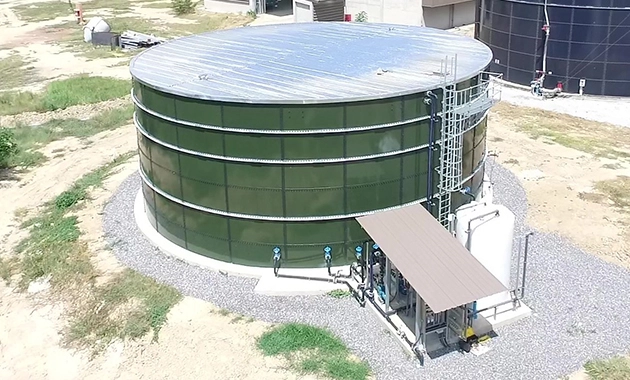
An anaerobic digester tank is a specialized storage and treatment vessel used to process organic waste without oxygen. During the anaerobic digestion process, microorganisms break down organic materials and generate biogas, which mainly contains methane and carbon dioxide.
The tank provides a controlled environment where temperature, sealing conditions, and biological activity can be managed to improve digestion efficiency. Depending on the project, materials such as agricultural waste, wastewater sludge, food waste, and industrial organic residues can be treated inside the system.
Unlike simple storage tanks, digester tanks are designed to support biological reactions while maintaining stable operating conditions. Proper tank structure and protection systems help ensure continuous operation and reliable biogas production.
Renewable energy projects increasingly rely on anaerobic digestion tanks because they provide both waste treatment and energy recovery benefits. By converting organic waste into biogas, these systems help reduce dependence on traditional energy sources while improving waste management efficiency.
The digestion process creates several important advantages:
During anaerobic digestion, microorganisms decompose organic matter and release methane-rich biogas. This gas can be collected and used for electricity generation, heating, or other energy applications.
Anaerobic digestion helps reduce the volume of organic waste requiring disposal. This makes the technology valuable for farms, wastewater treatment facilities, and industries with large amounts of biodegradable waste.
Instead of treating organic materials as waste, digestion systems convert them into useful energy and by-products. This supports more sustainable resource management and contributes to circular economy practices.
A complete biogas project requires more than a single digestion vessel. Efficient operation depends on the integration of multiple components that work together to collect, store, and utilize generated gas.
| Component | Function |
|---|---|
| Digester tank | Provides the environment for organic waste decomposition and biogas generation |
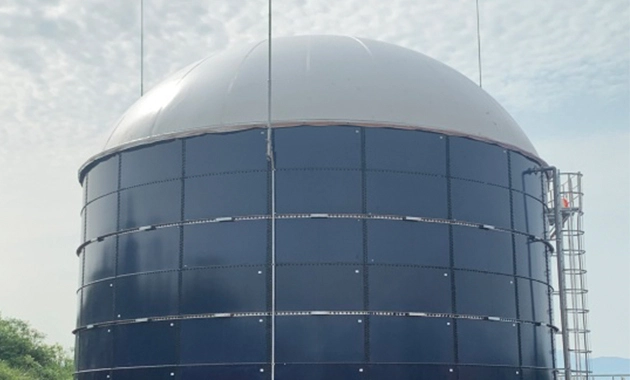
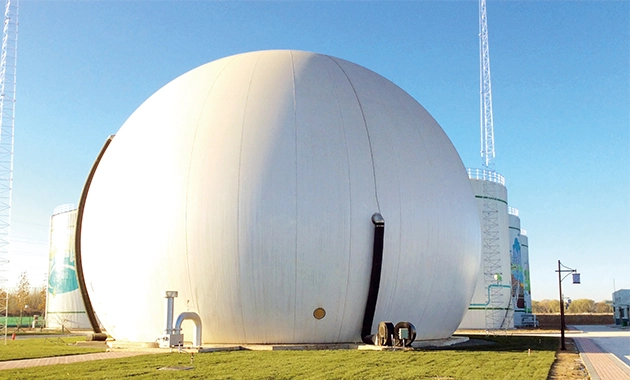
| Gas storage system | Collects and stores produced biogas before utilization |
| Supporting equipment | Includes mixing systems, heating systems, monitoring devices, and gas handling equipment |
In practical applications, biogas storage tank systems must be designed according to gas production volume, operating conditions, and end-use requirements. Proper coordination between the digester and supporting equipment helps maintain stable energy output and system efficiency.
For large-scale projects, reliable storage and control systems are especially important because fluctuations in gas production can affect energy utilization.
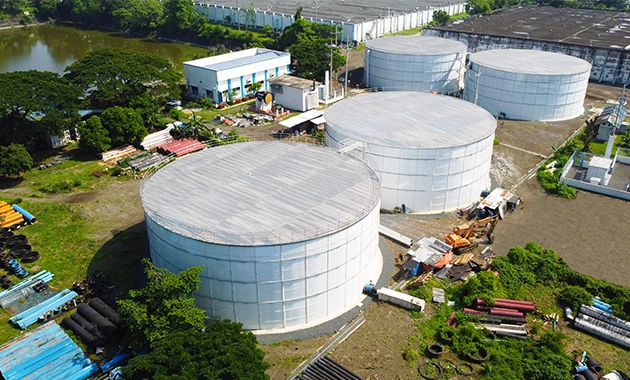
Different anaerobic digester tank designs may be required depending on capacity, installation conditions, and operational requirements. Common options include steel, concrete, and flexible systems.
| Type | Feature | Application |
|---|---|---|
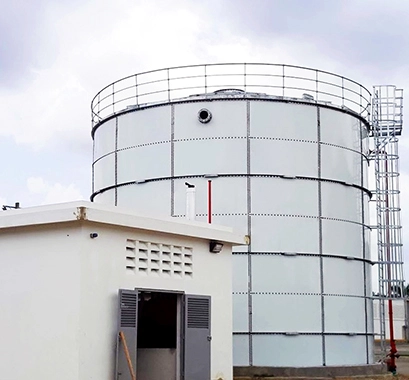
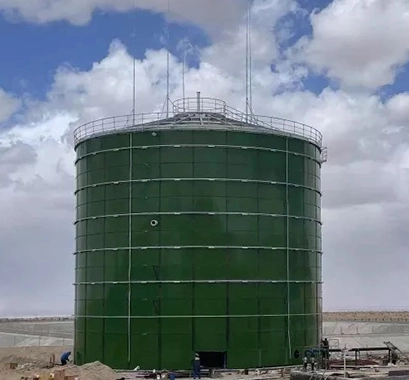
| Steel Digester Tank | Strong structure and durable performance | Industrial projects |
| Concrete Digester Tank | Heavy structure with high load capacity | Large facilities |
| Flexible Digester System | Flexible installation and easier deployment | Small projects |
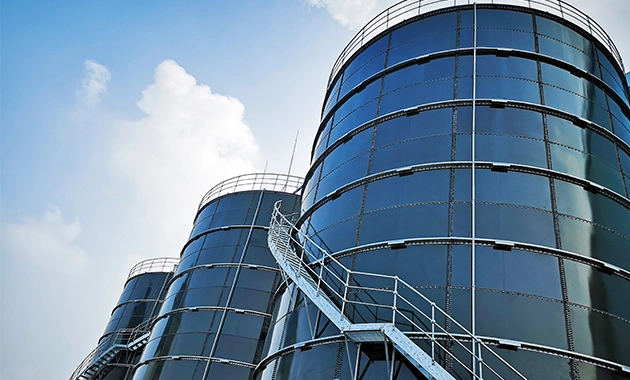
Steel digester tanks are often selected for projects requiring durability, efficient installation, and adaptable configurations. Concrete systems may be suitable for large permanent facilities where heavy structures are preferred. Flexible systems can provide convenience for smaller projects with limited installation requirements.
The final selection should consider project scale, operating environment, maintenance expectations, and future expansion needs.
The efficiency of an anaerobic digestion system depends on multiple operating and design factors. A well-designed tank must maintain suitable conditions for biological activity while protecting the structure from long-term exposure.
Several factors directly influence performance:
Temperature control: Microorganisms require stable temperature conditions to maintain efficient digestion and biogas production.
Sealing performance: Effective sealing prevents gas leakage and helps maintain safe operation.
Corrosion protection: Proper materials and protective coatings help extend tank service life when exposed to organic materials and moisture.
In addition, feedstock characteristics, loading rates, and operating management also influence the amount of biogas produced. Regular monitoring helps operators maintain stable system performance.
Modern digester tank designs focus on improving energy recovery, operational stability, and long-term reliability. Advanced structures and improved material technologies help projects achieve better performance while reducing maintenance challenges.
A well-designed system can support more consistent gas production by maintaining suitable digestion conditions. Improved sealing solutions help preserve collected biogas, while durable tank materials provide better resistance against demanding environments.
YHR Tanks develops storage and digestion solutions designed for renewable energy and environmental applications. Through reliable tank structures and project-oriented design approaches, modern digestion systems can support efficient waste treatment and sustainable energy production.
They are mainly used for organic waste treatment materials and the gases and liquids generated during digestion.
Microorganisms break down organic materials without oxygen and produce methane-rich biogas.
Yes. They are commonly used for treating agricultural waste and producing renewable energy.
Temperature, feedstock characteristics, and operating conditions all influence efficiency.
Yes. Tank design and configuration can be adjusted according to project requirements.
Service life depends on tank design, material quality, operating conditions, and maintenance.
With growing demand for renewable energy and sustainable waste solutions, anaerobic digester tanks provide an effective approach to converting organic waste into valuable biogas. By considering tank design, operating conditions, and system integration, project developers can build reliable digestion systems that support long-term energy recovery and environmental goals.