 EN
EN
 fr
fr  de
de  es
es  it
it  ru
ru  pt
pt  ar
ar  vi
vi  ms
ms  id
id 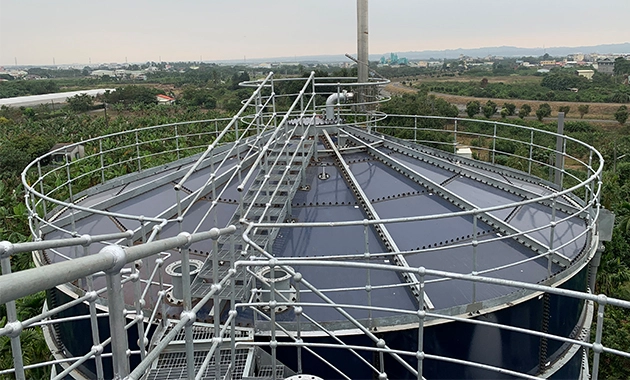


WhatsApp:
+86-17328067352

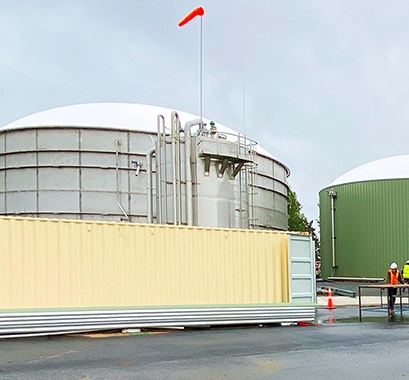
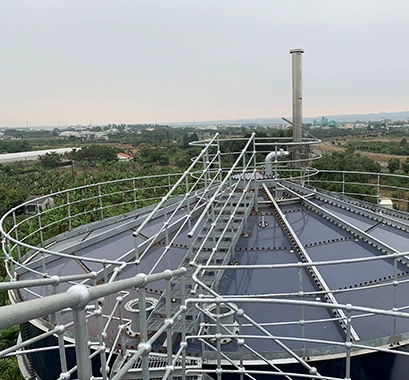
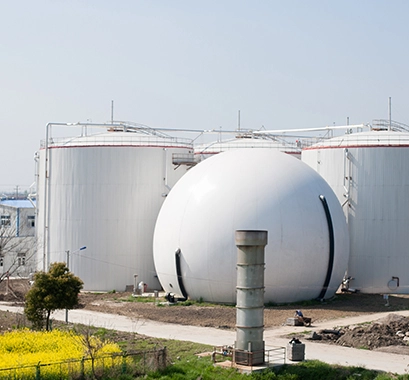
Effective wastewater management requires reliable storage solutions that can handle changing flow rates, chemical exposure, and demanding operating conditions. wastewater storage tanks play an important role in modern treatment systems by providing temporary storage, balancing capacity, and supporting continuous treatment processes.
Selecting the right tank requires careful consideration of material performance, storage capacity, environmental conditions, and long-term maintenance requirements. Whether used in municipal facilities, industrial plants, or water treatment projects, a properly designed wastewater storage system helps improve operational stability and treatment efficiency.
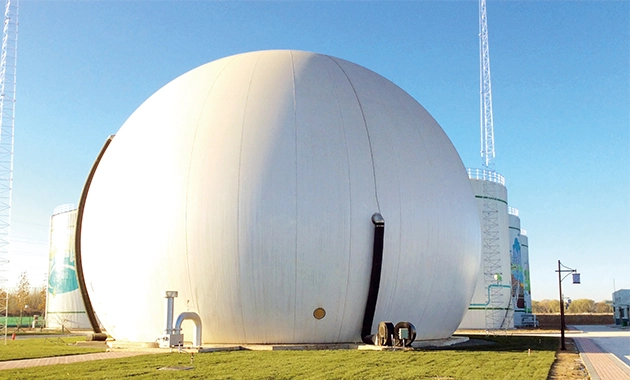
Wastewater storage tanks are designed to collect and temporarily store wastewater before it enters further treatment processes or disposal systems. They help manage fluctuations in wastewater flow, allowing treatment facilities to operate more consistently.
Unlike simple liquid storage containers, wastewater tanks must withstand complex conditions, including organic materials, chemicals, and continuous exposure to moisture. The tank structure and material selection directly affect service life, reliability, and maintenance requirements.
Common applications include temporary wastewater holding, treatment process balancing, sludge-related storage, and industrial wastewater management. By providing controlled storage capacity, these tanks help prevent system overload and support more efficient wastewater treatment operations.
Industrial facilities often generate wastewater with different chemical characteristics and flow patterns. For this reason, wastewater storage tanks are essential components in systems designed to protect the environment and maintain regulatory compliance.
In municipal treatment projects, tanks help manage large volumes of wastewater collected from residential and commercial areas. They provide stable storage conditions before wastewater moves through processes such as filtration, biological treatment, or disinfection.
Industrial applications may require tanks with stronger corrosion resistance because wastewater can contain chemicals, oils, or other aggressive substances. Properly designed storage solutions help industries improve wastewater handling while reducing risks associated with leaks or structural damage.
The use of suitable wastewater tanks also supports environmental protection goals by improving treatment efficiency and helping facilities meet discharge requirements.
A wastewater storage tank must be designed according to both current operating needs and future system requirements. Several factors influence tank performance and durability.
Capacity is one of the first considerations. The tank volume should match wastewater flow rates, peak demand periods, and treatment process requirements. An appropriately sized tank helps maintain stable operation without unnecessary investment.
Corrosion resistance is another critical factor because wastewater environments often contain chemicals and organic materials that can gradually damage tank structures. Selecting suitable materials and protective coatings helps extend service life.
Sealing performance should also be evaluated carefully. Reliable sealing systems help prevent leakage, protect surrounding environments, and maintain safe operation.
Other considerations, such as installation location, temperature conditions, and maintenance accessibility, should also be included during the design stage.
Material selection has a direct impact on wastewater tank performance. Different materials provide different advantages depending on project conditions, capacity requirements, and operating environments.
| Material | Advantages | Limitations |
|---|---|---|
| Glass Fused Steel | Excellent corrosion resistance and durable surface protection | Higher initial investment |
| Concrete | Strong structure and suitable for large facilities | Longer construction period |
| Plastic | Lightweight and easy installation | Limited capacity for large projects |
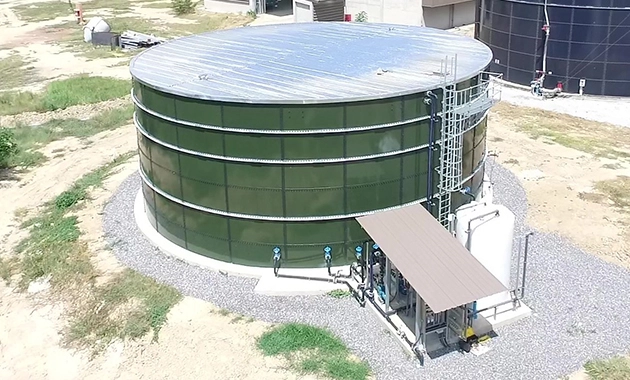
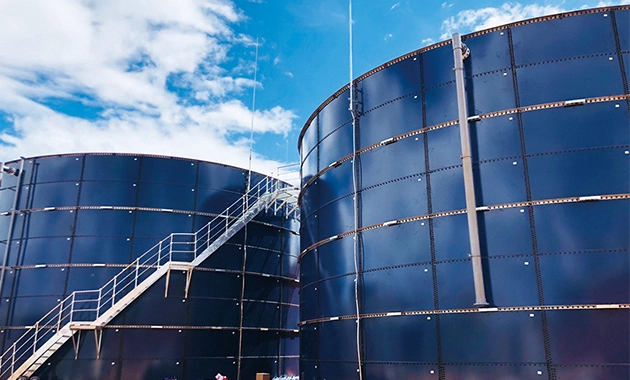
Glass fused steel tanks are often selected for projects requiring strong corrosion resistance and long-term durability. Their protective glass coating helps reduce exposure-related damage in demanding wastewater environments.
Concrete tanks provide strong structural performance and are commonly used in large permanent facilities. However, construction time and installation complexity may be higher compared with modular tank solutions.
Plastic tanks can offer convenience for smaller applications because of their lightweight structure, but they may not be suitable for large-scale wastewater storage requirements.
Water treatment facilities require storage systems that support reliable operation throughout different treatment stages. Wastewater storage tanks are used for applications such as wastewater collection, process storage, and treated water management.
Municipal water treatment projects often require tanks capable of handling large volumes while maintaining stable performance over long operating periods. Industrial facilities may require additional protection because wastewater characteristics can vary significantly depending on production processes.
A suitable tank solution should match the facility’s treatment capacity, operating environment, and maintenance strategy. Modular designs can provide flexibility for future expansion, while durable materials help reduce long-term operational challenges.
YHR Tanks provides storage and treatment tank solutions designed for water management and environmental applications, supporting different project requirements through reliable structures and practical configurations.
Long-term wastewater tank performance depends not only on material selection but also on engineering design, installation quality, and regular maintenance. A well-planned storage system can reduce operational risks and improve overall treatment efficiency.
Several practices can help improve reliability:
Selecting suitable materials: Choosing corrosion-resistant materials helps protect tanks from chemical and environmental damage.
Optimizing structural design: Proper foundation, connection systems, and tank configuration improve stability.
Maintaining regular inspections: Checking sealing systems, coatings, and structural components helps identify potential issues early.
In addition, considering future capacity changes during the design stage can help facilities avoid costly modifications later. A properly designed wastewater storage system provides better adaptability and supports stable operation throughout its service life.
Tank size depends on wastewater flow rates, treatment requirements, and storage duration.
Chemical substances, moisture, and environmental conditions can contribute to corrosion.
Yes. They are widely used for industrial wastewater collection and treatment systems.
Using durable materials and implementing proper maintenance practices can reduce costs.
Yes. Tanks can be designed according to project capacity and application requirements.
Applicable standards depend on local regulations and specific project requirements.
Choosing the right wastewater storage tanks requires balancing material performance, application needs, and long-term reliability. By evaluating capacity, corrosion resistance, sealing systems, and supplier capabilities, wastewater treatment projects can achieve safer and more efficient operation.